// 01 — Article
Contents
Not every podcast studio is built for business. Plenty of spaces can record a casual conversation, but corporate clients — executives, founders, internal comms teams — need something more dependable than a decent mic and a quiet room. So what actually separates a true business podcast production studio from a hobbyist setup?
There’s no formal certification for this. But when companies evaluate a studio, they’re really checking for two things: production quality that holds up to a professional standard, and a service model built around business outcomes rather than just content creation. Here’s what that looks like in practice.
Technical & Production Qualifications
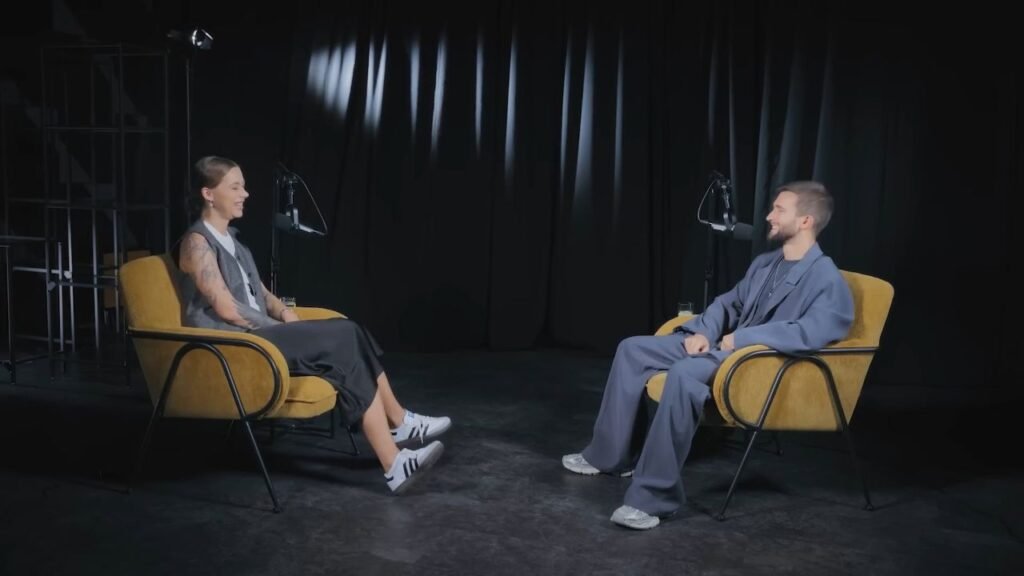
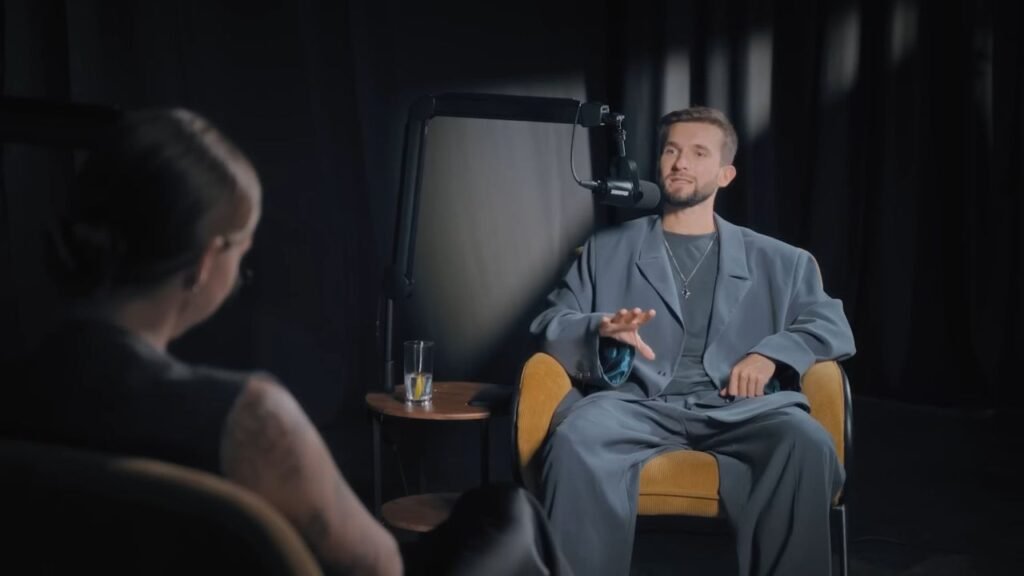
Professional audio quality. A qualified business podcast production studio runs broadcast-level microphones — think Shure SM7B or Rode PodMic — paired with proper gain staging so every voice sounds clean and consistent. The room itself matters just as much as the gear: acoustic treatment, soundproofing, and low ambient noise are what keep an episode from sounding like it was recorded in a spare bedroom. Behind the mic, a clean signal chain of interfaces, preamps, and limiters ensures the final audio meets the loudness standards podcast platforms expect.
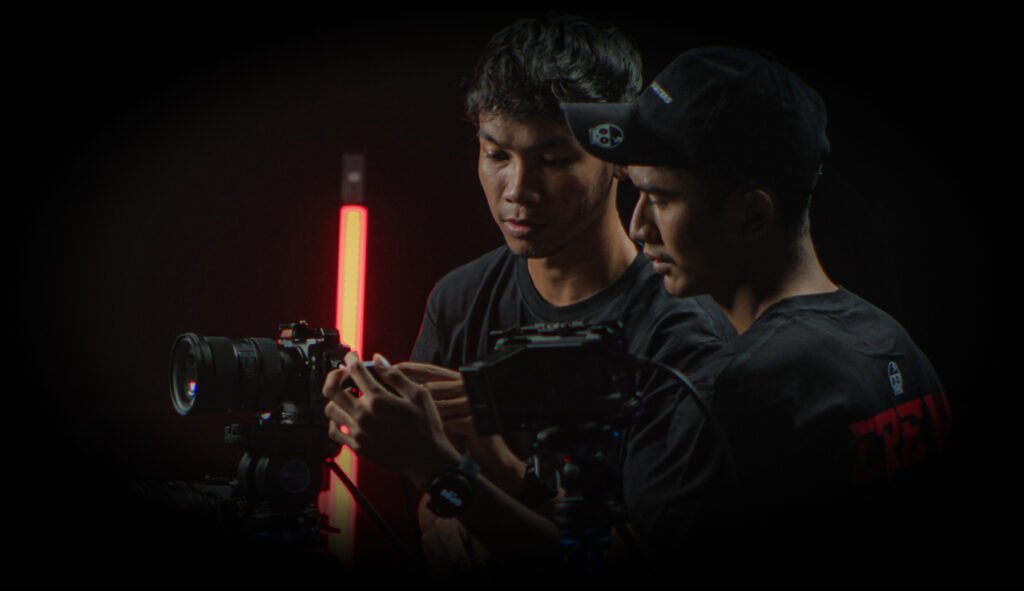
Professional video quality. Since most corporate podcasts now double as video content, a business-grade studio typically runs a multi-camera setup — two to four angles — at 4K or at minimum 1080p resolution. Controlled lighting with softboxes and LEDs keeps color consistent across takes, and the set itself is designed to be either neutral or subtly branded, so it reads as professional in a B2B context rather than looking like a casual creator space.
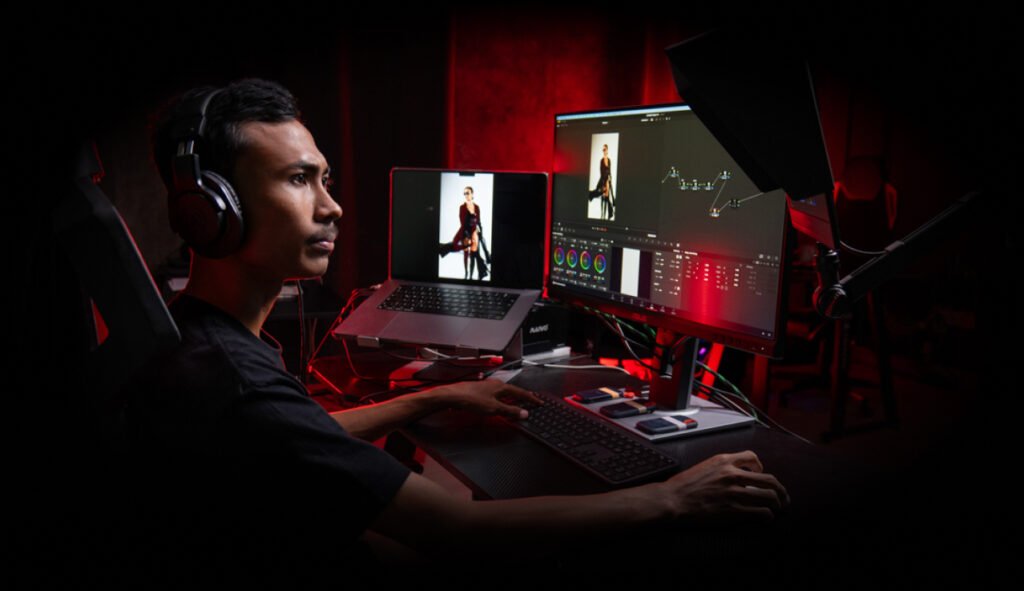
Reliable workflow and delivery. Consistency is where a lot of studios fall short. A studio built for business clients has clear standard operating procedures for booking, recording, editing, and delivery, with predictable turnaround times and standardized file formats for both audio and video. Just as important is the ability to repurpose a single episode into shorts, reels, and quote graphics — because most corporate clients need social-ready assets, not just a raw episode file.
Scalability and consistency. Recurring shows, multi-guest episodes, and live streaming all require infrastructure that a one-off recording setup doesn’t have. That includes the capacity to handle regular production cadence, plus stable internet and backup systems so a remote guest dropping out or a live broadcast hiccup doesn’t derail the session.
Business & Service Qualifications
Technical capability is only half the picture. The other half is whether the studio actually understands what business clients are trying to achieve.
Clear positioning for business outcomes. A qualified studio frames its services around results — executive branding, lead generation, employee communications — rather than generic “content creation.” That distinction matters, because a corporate podcast usually has a business goal attached to it, not just an audience-growth goal.
Portfolio and case studies. Look for evidence of past work with B2B brands, founders, and corporate communications teams, ideally with some measurable impact attached: download numbers, lead generation results, or internal adoption metrics. A studio that can point to outcomes, not just output, is a stronger bet.
A professional environment. For executives and outside guests who may not be used to being on camera, the space itself needs to feel clean, accessible, and comfortable — with accessibility-aware design where relevant. First impressions matter when you’re bringing a client’s leadership team into a recording session.
What This Means If You’re Evaluating a Studio
If you’re a business shopping for a podcast production partner, these are the qualifications worth checking before you book, even though none of them come with a formal certificate. Ask to see the room, ask about the camera and mic setup, ask how turnaround and repurposing work, and ask for examples of corporate clients they’ve produced for. A studio that can answer all of that confidently is one built for business — not just for hobbyist podcasting.
Frequently Asked Questions
What’s the difference between a regular podcast studio and a business podcast production studio? A regular studio may only offer basic recording space. A business-focused studio adds multi-camera video, broadcast-quality audio, structured workflows, fast turnaround, social-ready repurposing, and a service model built around measurable business outcomes like leads or engagement.
Do I need video, or is audio enough for a corporate podcast? Most corporate podcasts now benefit from video, since clips and shorts pulled from video episodes perform well on social platforms. A qualified studio should offer multi-camera 4K or 1080p recording alongside broadcast-quality audio.
What should I ask a studio before booking for a business podcast? Ask about their microphone and camera setup, room treatment, turnaround times, file delivery formats, repurposing capabilities (shorts, reels, quote graphics), and whether they have case studies or measurable results from past corporate clients.
How important is scalability for a business podcast studio? Very. If you’re planning a recurring show, you need a studio with the infrastructure for consistent recording cadence, multi-guest sessions, live streaming, and backup systems for remote guests — not just a one-time recording setup.
Looking to record your next business podcast with a studio built for professional results? Get in touch with Hypehunters to discuss your production needs.