 Skip to content
There is a particular kind of conversation that happens regularly in Canggu. You’re sitting at a café — maybe Echo Beach, maybe Nude, maybe one of the dozen or so places along Batu Bolong where the cold brew is excellent and the WiFi is faster than your home internet back wherever you came from — and someone at the next table is recording a podcast intro on their phone. The person across from you is editing a YouTube video. The group in the corner is doing a brand strategy session for a business that exists entirely online and serves customers in six different countries.
Nobody thinks this is unusual. In Canggu, it’s just Tuesday.
The transformation of this small coastal village in southwest Bali from a quiet surf spot to one of the most concentrated hubs of digital creators and online entrepreneurs on the planet has happened fast — faster than most people outside the community fully appreciate. And it didn’t happen by accident.
This article is about why Canggu has become what it is, what it means for creators who are based here or thinking about coming here, and — most importantly — how to actually take advantage of the environment rather than just absorbing the lifestyle and wondering why your content output hasn’t improved.
Contents
- How Canggu Became What It Is
- The Infrastructure That Makes It Work
- The Community That Multiplies Everything
- The Lifestyle That Fuels the Work
- What Most Creators Get Wrong in Canggu
- The Production Quality Problem
- How to Actually Make the Most of It
- Frequently Asked Questions
- Conclusion
- Make Your Best Work in Canggu
How Canggu Became What It Is
To understand Canggu’s current identity, it helps to understand what it was before.
Ten years ago, Canggu was a surf village. It had rice fields, a few warung, some modest guesthouses, and a small but dedicated community of surfers who came for the breaks at Echo Beach and Batu Bolong. It was quieter than Seminyak, less developed than Kuta, and largely overlooked by the mainstream Bali tourist circuit.
The first wave of change came with the rise of the digital nomad as a recognisable category of person — someone who works remotely, earns in foreign currency, and chooses where to live based on quality of life rather than proximity to an office. Bali, and Canggu specifically, ticked every box on that list. The cost of living was low relative to Western cities. The climate was extraordinary. The food was excellent. The surf was right there. And critically, the local infrastructure — fast internet, international co-working spaces, a growing ecosystem of services oriented toward remote workers — was developing quickly enough to make professional work genuinely viable.
The second wave came with the creator economy. As platforms like YouTube, Instagram, TikTok, and Spotify made it possible to build a business directly on the back of an audience, a new kind of person started showing up in Canggu — not just someone who worked remotely for a company somewhere else, but someone who was the company, building it in public, creating content as the primary mechanism of growth. Podcasters, YouTubers, course creators, coaches, consultants with large social followings, brand builders. People for whom content wasn’t a marketing expense but the core product.
Those two waves compounded on each other. Remote workers and creators arrived, found each other, built community, attracted more remote workers and creators, and the ecosystem grew denser and more interconnected with each passing year. The co-working spaces got better. The studios got built. The community events multiplied. The network effects of having thousands of ambitious, creative, independently operating people in a small geographical area started producing outcomes that none of them could have generated alone.
What exists in Canggu today is not an accident of geography or a coincidence of timing. It’s the result of a self-reinforcing community that has been building quietly for a decade and has now reached a critical mass where the benefits of being here — for a creator specifically — are genuinely difficult to replicate anywhere else.
The Infrastructure That Makes It Work
Community and inspiration are real and valuable. But they don’t pay for themselves. What makes Canggu functional as a professional base for creators — as opposed to simply an enjoyable place to live while you try to create — is the infrastructure that has grown up around the community.
Internet connectivity has been the foundational requirement, and Canggu has largely solved it. Fibre internet from providers like MyRepublic and IndiHome is now available across most of the area, with speeds that are genuinely competitive with what you’d find in major Western cities. Co-working spaces like Outpost, Dojo Bali, and Biahse offer guaranteed high-speed connections in professional environments, and the better cafes have invested in infrastructure that can support a room full of laptops without noticeable slowdown.
This matters enormously for creators specifically. Uploading a 10GB video file to YouTube, joining a live call with international guests, streaming a live broadcast to multiple platforms simultaneously — these workflows require bandwidth that simply wasn’t available in Bali a few years ago and is now standard at any serious workspace in Canggu.
Co-working spaces have evolved from simple desk-rental operations into genuine professional communities. Outpost has multiple locations across Bali and a membership model that connects you with a community of professionals across the island. Dojo Bali on Jalan Batu Mejan has become a specific hub for the tech and creator community, running regular events, workshops, and networking sessions that are genuinely useful rather than performatively social. These spaces are where collaborations get started, where podcast guests get found, where the informal conversations happen that lead to things you didn’t plan but are glad you stumbled into.
The service ecosystem around creators has matured significantly. Graphic designers, video editors, social media managers, photographers, copywriters — a large pool of skilled professionals, both local and international, has assembled in Canggu specifically because the demand for these services from the creator and online business community is consistent and well-funded. Finding a talented video editor or a brand photographer in Canggu is now genuinely straightforward in a way it wasn’t five years ago.Content studios are the most recent and arguably most significant infrastructure addition. The existence of professional podcast studios, video production studios, webinar facilities, and live streaming setups in Canggu means that creators no longer have to choose between the lifestyle of the island and the production quality of a major city. That choice used to be real — you could either be in Bali and compromise on production, or be in London or Sydney and have access to proper facilities. That trade-off has largely dissolved.
The Community That Multiplies Everything
Infrastructure is necessary but not sufficient. What makes Canggu genuinely generative for creators — what makes it something more than a nice place to do the same work you could do anywhere — is the density and quality of the community.
The concentration of ambitious, independently operating people in a small area creates conditions for collaboration, cross-pollination, and mutual acceleration that are genuinely hard to find elsewhere. When your neighbour at the co-working space is building an audience in a different niche but shares your interest in content strategy, you have conversations that shift how you think about your own work. When the person you met at a beach cleanup three weeks ago turns out to be exactly the right guest for your next podcast episode, your content gets better without the formality of a booking process. When a casual dinner conversation becomes a brand partnership that neither party had planned, that’s the community working the way communities are supposed to work.
This kind of serendipitous professional collision happens everywhere, of course — but it happens with unusual frequency and unusual quality in Canggu because the shared context is so specific. Almost everyone here is building something independently. Almost everyone has chosen to be here deliberately. Almost everyone is, at some level, thinking about audience, content, growth, and the question of how to create something valuable enough that the world will pay attention to it. That shared preoccupation creates a conversational substrate that accelerates everyone in it.
The practical implications for a creator are significant. Podcast guests who are articulate, interesting, and professionally credible are available in your immediate social environment. Potential collaborators for creative projects are people you see regularly in physical spaces. Feedback on your content comes from people who understand the mechanics of building an audience because they’re doing it themselves. The informal mentorship and peer accountability that usually has to be constructed deliberately — through masterminds, coaching programs, paid communities — often emerges organically in Canggu simply by showing up and participating in the community that’s already here.
The Lifestyle That Fuels the Work
There is a version of the Canggu conversation that focuses entirely on the lifestyle — the surf, the food, the sunsets, the warm evenings, the pace of life that feels genuinely different from the urgency of a major city — and treats the professional dimension as secondary, almost incidental to the real appeal.
That framing gets it slightly wrong, though. For creators specifically, the lifestyle and the work are not separate categories. The environment you inhabit shapes what you make, what you think about, and the perspective you bring to your content in ways that are real and measurable.
Living in Bali gives you material. If you’re building a personal brand, the fact that you’re based in one of the most interesting creative communities in the world is itself part of your story. Your audience is interested in where you are and what it’s like to work from there, not as a travel accessory but as evidence that a different kind of life is possible — which, for most audiences that follow independent creators, is a genuinely compelling idea.
The pace of life in Canggu also does something specific to creative output that’s worth naming directly. The urgency and anxiety that characterise professional life in major cities — the commuting, the social performance, the constant low-level stress of density and expense and competition — those things consume cognitive bandwidth that would otherwise go into the work. Removing them doesn’t make you automatically more creative, but it removes a significant source of the noise that creativity has to compete against.
Many creators who have spent time in both environments report that their best thinking happens in Bali — not because the palm trees are inspiring in a clichéd sense, but because the slower rhythm of life creates space for the kind of unhurried, exploratory thinking that produces genuinely original ideas rather than reactive, derivative ones.
The surf helps too. There is something about a physical practice that takes you completely out of your head — that demands total present-moment attention and gives you absolutely nothing to think about except the next wave — that reliably resets the cognitive conditions for creative work in a way that sitting at a desk trying to think harder does not.
What Most Creators Get Wrong in Canggu
Here is the thing that nobody says loudly enough: Canggu will not make you a better creator by osmosis.
The lifestyle is genuinely good. The community is genuinely inspiring. The environment is genuinely conducive to creative work in all the ways described above. But none of these things substitute for the actual mechanics of producing content consistently, improving your craft deliberately, and building an audience systematically.
The trap that catches a lot of creators who come to Canggu — especially those who arrive with the specific intention of “finally focusing on their content” — is mistaking the conditions for creativity with creativity itself. You can be surrounded by inspiring people, living in a beautiful place, working from extraordinary cafes, and still produce almost nothing of consequence if you don’t have a clear creative practice and the discipline to execute it regardless of how the day feels.
The specific failure mode looks like this: spend the morning at a café doing some light admin and telling yourself you’re warming up. Have lunch with someone interesting and call it networking. Spend the afternoon at the beach because the light is good and you might get some content for Instagram. Have dinner with the community because relationships matter. Look up at the end of the week and realise you published nothing, recorded nothing, and built nothing.
Canggu is very good at filling your days in ways that feel productive but aren’t. The solution isn’t to become a hermit — the community and the lifestyle are genuine assets, not distractions to be avoided — but to treat your creative output with the same seriousness you’d bring to it anywhere else. Have a production schedule. Block time for recording. Treat studio sessions as non-negotiable appointments rather than aspirational intentions. Show up to your work the same way you show up to the beach — with full commitment and no hedging.
The creators who thrive here over the long term are not the ones who are most inspired by the environment. They’re the ones who are most disciplined about their process within the environment. Inspiration is available to everyone in Canggu. Discipline is what separates the ones who actually build something.
The Production Quality Problem
Even among creators who have solved the discipline problem — who show up consistently, produce regularly, and take their content seriously — there is a second obstacle that specifically affects people working in a place like Bali: production quality.
The gap between “I made this in my villa in Canggu” and “this sounds and looks like it was made in a proper studio” is significant, and it matters more than most creators want to admit.
Audiences in 2026 are sophisticated. They’ve been consuming high-quality content from well-resourced creators for long enough that their baseline expectations for production value have risen considerably. This doesn’t mean every piece of content needs broadcast-level production — authenticity and rawness have their place, and the right rough edges on the right content in the right context can be exactly what an audience wants. But for podcast episodes, webinars, video interviews, and long-form educational content — the formats where authority and expertise are what you’re selling — poor production quality undermines the message before it’s been delivered.
The specific challenges of recording quality content in Bali have been detailed in earlier articles in this series — the noise, the acoustics, the lighting conditions, the internet reliability — and they don’t need to be rehearsed in full here. The point worth making in the context of Canggu specifically is that the excuse of location no longer holds. The infrastructure exists here, right now, to produce content that is technically indistinguishable from what’s being made in studios in any major city in the world. Using that infrastructure is a choice, not a logistical challenge.
The creators who are winning in Canggu are the ones who combine the lifestyle advantages of being here — the community, the inspiration, the pace of life, the material that the environment provides — with production quality that reflects the seriousness of their work. That combination is genuinely powerful and genuinely rare. Most creators get one or the other: the production quality without the life, or the life without the production quality. Canggu is one of the few places in the world where you can have both simultaneously, without compromise.
How to Actually Make the Most of It
If you’re in Canggu, or you’re planning to come here with the intention of levelling up your content output, here are the principles that separate the creators who look back on their time here as genuinely transformative from the ones who had a great holiday and came home with 200 photos and one unfinished podcast episode.
Treat it like a residency, not a holiday. The most productive creative periods happen when you arrive with a clear project, a defined output, and a timeline. Know what you’re going to make before you get here. Not vaguely — specifically. “I’m going to record the first ten episodes of my podcast” or “I’m going to film the first four modules of my online course” or “I’m going to batch-record eight weeks of video content.” Arriving with a project gives the time here a shape and a purpose that arriving with an open mind and good intentions does not.
Use the community as a creative asset, deliberately. Make a list of the kinds of guests or collaborators who would most improve your content. Then actively look for them in the community rather than waiting to stumble across them. Attend the events, join the co-working spaces, go to the things where the kind of people you want to know are likely to be. Canggu’s community is an extraordinary resource, but it responds to intentional engagement rather than passive proximity.
Batch your studio work. If you’re using a professional studio — which you should be, for the reasons described above — make the most of each session by recording multiple pieces of content in one block rather than scheduling individual sessions each time. Three podcast episodes in one morning. A full week of video content in an afternoon. The setup time, the travel time, the warm-up time — these are fixed costs that make short individual sessions inefficient. Batching turns them into marginal costs spread across a larger output.
Let the environment into the content. Your audience is interested in where you are. Not in a superficial “look at this view” way, but in a genuine “what is it actually like to build a business from a place like this” way. The questions you’re navigating, the community you’re part of, the specific texture of working life in Canggu — these are legitimately interesting to most audiences that follow independent creators, and incorporating them into your content makes it more specific, more personal, and more differentiated from content that could have been made anywhere.
Use Bali as B-roll. If you’re producing video content, the visual environment here is extraordinary and almost entirely free. Drone footage of rice terraces, golden hour on the beach, the visual richness of a Balinese ceremony, the aesthetic of Canggu’s café culture — these shots, cut between studio-recorded talking head segments, create a visual language for your content that is immediately distinctive and memorable. Most creators who come to Bali dramatically underuse this resource, treating it as background scenery rather than as production value that they’d pay significant money to recreate anywhere else.
Invest in the production. This is the principle that underpins all the others. The lifestyle, the community, the discipline, the intentional use of the environment — all of these things compound in value when the content you produce from them looks and sounds professional. A badly produced podcast recorded in a noisy villa wastes the quality of the conversation inside it. A well-produced video recorded in a professional studio with good lighting and clear audio serves the quality of what you’re saying. The investment in production quality is not a vanity expense. It’s the mechanism by which everything else you’re doing in Canggu becomes visible to an audience that didn’t know you existed before they clicked play.
Frequently Asked Questions
The honest answer is that a month is the minimum to get genuinely useful output from a Canggu content residency. The first week is orientation — finding your rhythm, getting the practical logistics sorted, beginning to plug into the community. The second and third weeks are typically where the real creative work happens. The fourth week is where you consolidate, finish what you started, and make sure everything you set out to produce is actually done rather than almost done. Shorter trips are worth doing — even a two-week focused stint can yield meaningful content — but a month gives you the time to do it properly.
Indonesia introduced a Digital Nomad Visa (officially the Second Home Visa) that allows foreign nationals to live and work remotely in Indonesia for up to five years, provided they can demonstrate sufficient income and meet other requirements. The more commonly used option for shorter stays is the tourist visa — a Visa on Arrival is available to citizens of most countries and can be extended. Working for Indonesian clients or companies on a tourist visa is not permitted, but remote work for foreign clients or on your own online business is a more ambiguous area that most creators navigate on a tourist visa without issue. Consult an immigration specialist for current requirements before making plans.
It depends on what you’re optimising for. Ubud is quieter, more spiritually oriented, surrounded by natural beauty, and has a strong artist and wellness community — excellent for certain kinds of creative work, particularly writing and introspective content, but less connected to the tech and creator economy than Canggu. Seminyak is more polished, more hotel-oriented, and more expensive — it has good infrastructure but less of the specific creator community energy that makes Canggu distinctive. Canggu is the right base if your work is digital, your audience is online, and you want to be around other people who are building things independently. For most online creators, Canggu is the answer.
The dry season — roughly April through October — is the most comfortable period. Lower humidity, more consistent sunshine, and the best surf conditions at Echo Beach and Batu Bolong. The wet season (November through March) brings regular afternoon and evening rain, higher humidity, and occasional extended grey periods — less ideal for outdoor shooting but perfectly functional for studio work and the quality of life remains high. Avoid the peak periods around Christmas, New Year, and the Australian school holidays if you want to work without the town feeling significantly more crowded and expensive than usual.
Conclusion
Canggu is not a shortcut. It won’t make your content better by virtue of the address at the top of your creative brief, and it won’t build your audience for you just because you’re sitting in an aesthetically pleasing café when you press record.
What it will do, if you engage with it seriously and use it deliberately, is give you conditions for creative work that are genuinely exceptional — a community that accelerates your thinking, an environment that provides material, an infrastructure that removes excuses, and a pace of life that creates space for the kind of unhurried, exploratory work that produces the content worth making.
The creators who come to Canggu and look back on it as one of the most productive periods of their professional lives are the ones who brought a clear project, maintained their discipline, used the community intentionally, and invested in the production quality that allowed their work to be taken seriously. They got the life and the output simultaneously, without sacrificing one for the other.
That combination — the life you actually want, the work you’re actually proud of, produced in an environment that actively supports both — is what Canggu offers to creators who are ready to take it seriously.
The studio is here. The community is here. The infrastructure is here.
The question is what you’re going to make.
Make Your Best Work in Canggu
At Hypehunters, we built our content studio in the heart of Canggu for exactly the kind of creator this article is about — someone who has something genuinely worth saying and wants to say it in a way that does it justice.
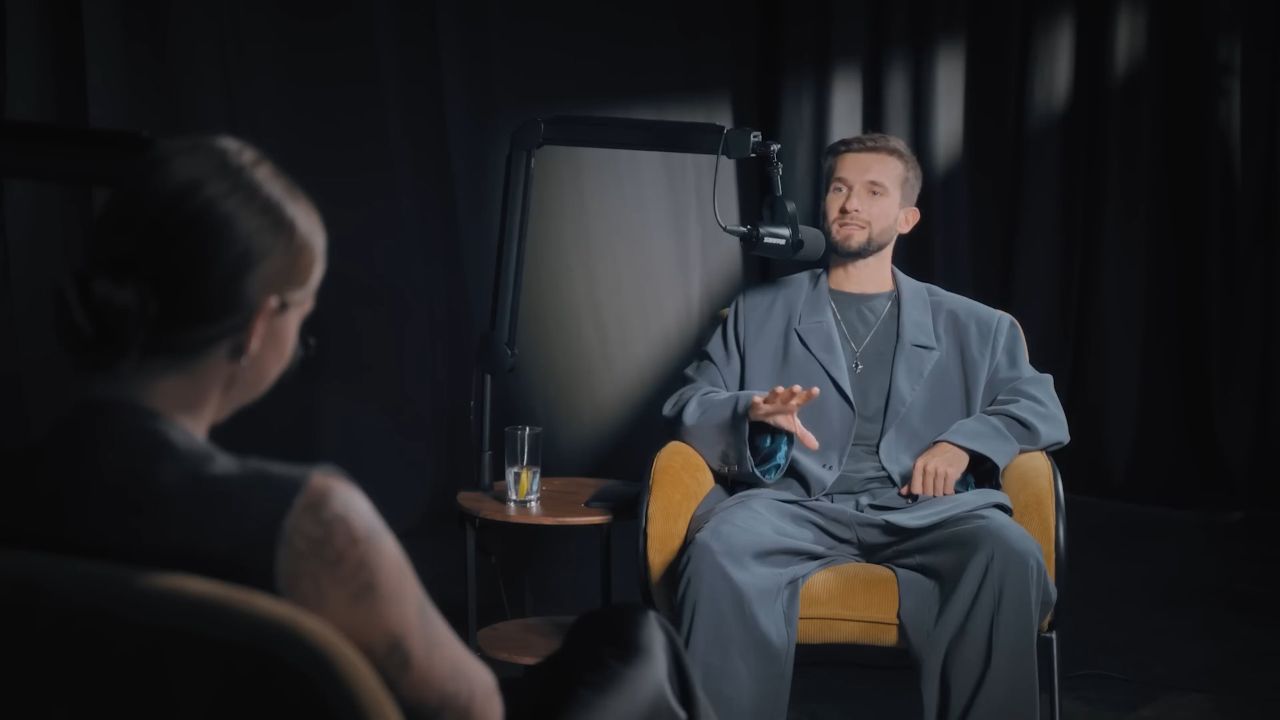
Our studio offers professional podcast recording, video production, webinar hosting, and live streaming — all under one roof, with broadcast-quality equipment, treated acoustics, dedicated high-speed internet, and a team that cares about the quality of what you make as much as you do.
Whether you’re here for a week batching content or you’re building a long-term creative practice in Bali, we’d love to be part of what you’re making.
Book a session or arrange a studio tour at hypehunters.net →
